
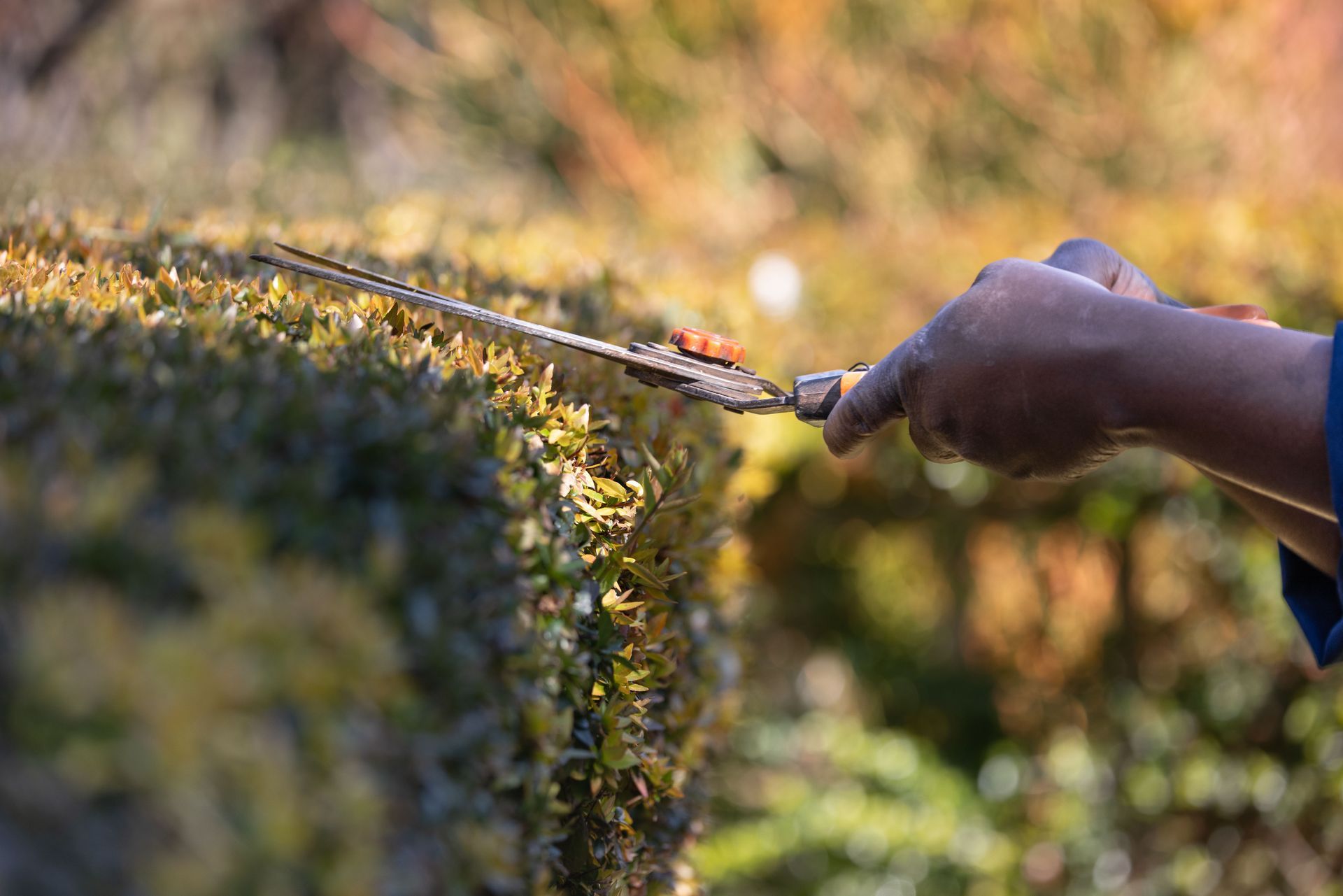
Hedges Shaped to Match Your Landscape
Shrub and Bush Trimming in Belmont for overgrown plantings and irregular hedge lines
Older Belmont neighborhoods feature foundation plantings installed when homes were built—azaleas, boxwoods, hollies, and privet hedges that have grown far beyond their original scale, often blocking windows, encroaching on walkways, or losing their intended shape entirely. Brown Mouse Property Maintenance trims overgrown shrubs and bushes to restore controlled dimensions, maintain clean hedge lines, and remove dead or damaged branches that detract from appearance or restrict healthy growth. Trimming reestablishes the function of the planting—whether that's a privacy screen, a foundation border, or a structured accent—without removing the plant itself.
The trimming process starts with assessing the plant's natural growth habit and current condition, then cutting back to a size and shape that fits the space while preserving enough foliage to support recovery. Hand shears work for detail shaping and selective branch removal, while powered hedge trimmers create uniform surfaces on formal hedges and dense plantings. Dead wood, crossed branches, and interior growth that blocks airflow are removed to reduce disease pressure and improve light penetration to the plant's core.
Arrange a consultation to review your shrub health and discuss shaping options that fit your landscape design.
What Changes After Trimming Is Finished
Trimming reduces plant size in a way that encourages denser, more controlled regrowth rather than triggering long, weak shoots. Cuts are made just above a bud or lateral branch so that new growth fills in evenly rather than sprouting in random directions, which maintains the shape between trimming sessions and reduces the frequency of maintenance needed to keep plants looking intentional.
Once trimming is complete, walkways become fully accessible, windows regain clearance and light, and hedge lines appear level and uniform across their length. Foundation plantings no longer obscure architectural details or crowd entry points, and the overall landscape reads as maintained rather than neglected or overgrown.
Trimming includes removal of all cuttings and debris from beds, lawns, and hardscapes, so there's no cleanup left for the property owner. Timing depends on plant type—spring bloomers are trimmed after flowering, while evergreens and non-flowering shrubs can be shaped during the growing season or in late winter before bud break.
Common Questions About This Service
Shrub and bush trimming restores shape and controls growth for residential and commercial plantings in Belmont. The following questions explain how the work is performed and what to expect from the process.
Brown Mouse Property Maintenance provides one-time and recurring trimming services tailored to your planting schedule and landscape goals. Contact us to schedule an evaluation of your current shrub condition and trimming needs.
What determines how much of a shrub gets cut back?
Cuts are based on the plant's natural form, current size relative to the space, and health—removing enough to achieve the desired shape while leaving sufficient foliage to support photosynthesis and recovery.
How does trimming differ from pruning?
Trimming shapes the outer canopy and maintains size, while pruning selectively removes specific branches to improve structure, airflow, or health; both techniques are used depending on the plant's condition and purpose.
What happens to shrubs that have been neglected for years?
Overgrown plants are gradually reduced over multiple sessions to avoid shock, with the first trimming focusing on dead wood and major size reduction, followed by detail shaping once the plant responds with new growth.
How are hedge lines kept straight and level during trimming?
String guides or laser levels establish a reference plane, and cuts are made in multiple passes—first roughing in the shape, then refining the surface to remove high spots and create a uniform finish across the hedge length.
What will you notice after shrubs are trimmed?
Plants appear compact and intentional rather than sprawling, hedge lines show clean edges and consistent height, and walkways, windows, and landscape beds regain the clearance and proportion originally designed into the property layout.