Larger Grassy Areas Maintained With Efficiency
Finish Mowing in Mt. Holly for open residential and commercial grounds where tractor-based equipment fits the scale
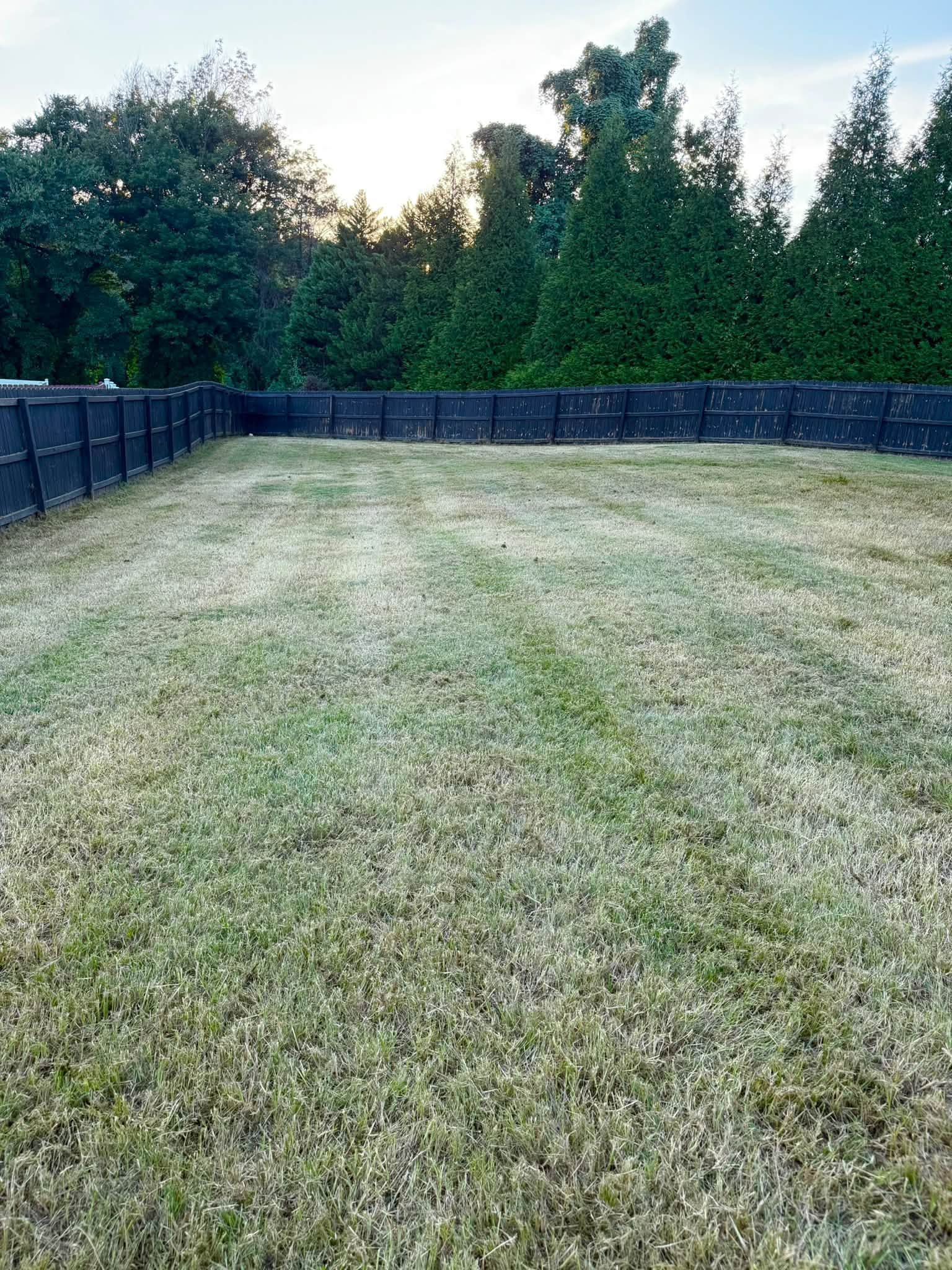
North Carolina's growing season pushes maintained grass to heights that demand frequent cutting, especially on properties with acreage that extends beyond what push mowers or residential zero-turns can cover efficiently. Finish mowing uses a tractor-mounted deck designed for grass that's already under management—turf that's been cut regularly and doesn't include the tall weeds, woody stems, or thick vegetation that requires bush hogging. Brown Mouse Property Maintenance operates finish mowing equipment in Mt. Holly, Dallas, Stanley, and surrounding areas for residential lots with multiple acres of lawn, commercial properties with open grassy areas surrounding buildings, and maintained fields where appearance matters more than the rough-cut results bush hogging produces.
The service covers larger areas faster than walk-behind or residential riding equipment while producing a cleaner cut than rotary bush hog attachments. Finish mower decks use multiple blades spinning at higher speeds to sever grass cleanly rather than shredding it, which reduces the ragged brown tips that appear after rough cutting and allows the turf to recover faster between mowing cycles.
Request a mowing quote based on the total grassy acreage and current turf condition to determine whether finish mowing fits your property's maintenance needs.
Why Finish Mowing Works for Maintained Turf
Finish mowing handles grass heights typical of maintained lawns—generally three to six inches depending on turf type and recent rainfall. The tractor's weight and deck width cover ground quickly without the repeated passes smaller mowers require, which reduces soil compaction from overlapping wheel tracks and shortens the time your property shows partially mowed sections. The cutting height adjusts to match seasonal growth rates, cutting shorter during peak growth in late spring and leaving slightly taller grass during summer heat stress or early fall when growth slows.
After finish mowing, your property displays consistent grass height across the entire maintained area, with clippings dispersed evenly rather than clumped in rows that smother underlying turf. The lawn looks cared for rather than rough-cut, and the clean blade cuts allow grass to photosynthesize efficiently instead of dedicating energy to healing torn or shredded leaf tissue. You'll notice the difference particularly along property edges where finish mowing produces defined lines between lawn and unmanaged areas.
Finish mowing doesn't address overgrown fields, lots with vegetation exceeding eight inches, or areas where saplings and woody plants have established among the grasses. Those conditions require bush hogging to bring the growth back to a baseline height before finish mowing becomes the appropriate maintenance tool.
Answers to Frequent Service Questions
Homeowners and property managers often need clarity on which mowing service fits their current turf conditions and property size.
Brown Mouse Property Maintenance evaluates grassy acreage to determine whether finish mowing, bush hogging, or a combination approach maintains your property effectively. Describe your lot size and current grass height at (704) 564-3401 so we can match the equipment and service to the turf conditions you're managing.
What makes finish mowing different from standard residential lawn mowing?
Finish mowing uses tractor-mounted decks suited to larger acreage where the ground is relatively level and obstacles like flower beds or play equipment don't require tight maneuvering, while standard residential mowing relies on smaller equipment that navigates landscaping features and fits within typical suburban lot dimensions.
How do I know if my property needs finish mowing or bush hogging?
If you've maintained the grass regularly and it's currently under eight inches tall without woody stems or dense weeds, finish mowing handles the cutting efficiently. If the vegetation has grown past mower height or includes saplings and thick brush, bush hogging clears it back to a level where finish mowing can take over for ongoing maintenance.
Why does tractor-based finish mowing produce better results than a riding mower on large lots?
Tractor mowers cut wider swaths with more blade surface area, which reduces mowing time and limits soil compaction from repeated trips across the same ground. The heavier equipment also handles uneven terrain more predictably than lighter residential mowers that bounce or scalp high spots, and the higher blade tip speed produces cleaner cuts that help grass recover faster between mowing cycles common during Mt. Holly's humid growing season.
What turf conditions work best for finish mowing?
Established grass with consistent density responds well to finish mowing, while patchy turf with bare spots, heavy weed infiltration, or standing water may require soil amendments or drainage correction before regular mowing produces a uniform appearance.
When should I schedule finish mowing during the growing season?
Cutting frequency depends on rainfall and temperature, but most maintained turf in Mt. Holly requires mowing every seven to ten days during peak spring growth, with intervals stretching to two weeks during summer heat stress or fall dormancy as growth rates decline.