Ground That Works the Way You Need It
Residential Land Management in Mt. Holly for properties with acreage, overgrowth, or areas beyond the lawn line
Brown Mouse Property Maintenance handles residential land management in Mt. Holly, Charlotte, Lake Wylie, and surrounding areas for homeowners who own more ground than a standard mower can maintain. The service addresses overgrown fields, wooded perimeters, access lanes, and open tracts where vegetation limits usability or creates seasonal fire hazards during dry stretches common to the North Carolina Piedmont.
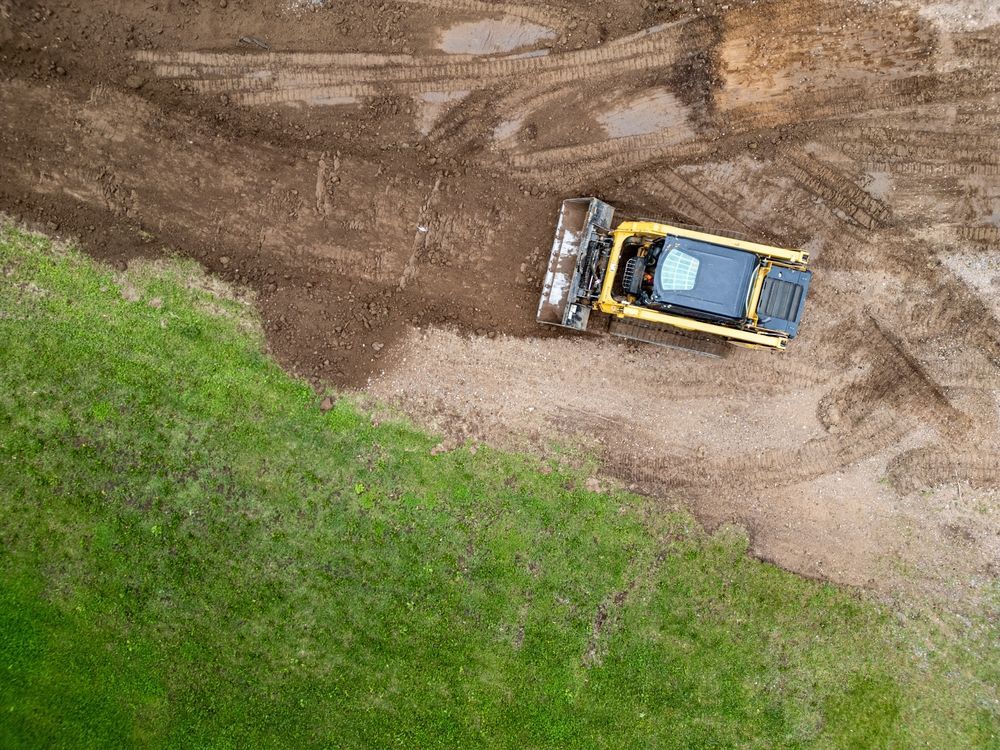
Land management combines bush hogging for tall grass and heavier vegetation, tractor grading to level uneven ground or redirect surface water, soil preparation for planned planting or erosion control, and seeding to establish ground cover that resists future overgrowth. The approach depends on your current vegetation density, soil condition, and what you want the ground to support—whether that's vehicle access, recreational space, livestock grazing, or simply reducing the annual return of chest-high weeds.
Request a property assessment to walk the acreage and identify which areas need clearing, grading, or ongoing vegetation control.
What Planned Maintenance Actually Accomplishes
Recurring land management keeps vegetation from advancing past the point where you can walk, drive, or see the property lines. Bush hogging cuts dense growth back to stubble, which allows tractor grading to reshape drainage patterns or smooth out ruts left by previous equipment. Soil preparation loosens compacted ground so seed establishes root structure instead of washing away during the next storm.
After the initial clearing, you notice defined edges where overgrowth used to blur the transition between maintained lawn and wild ground. Vehicle access becomes possible without scraping undercarriage components on hidden stumps or rocks, and sight lines open across the property so you can monitor fencing, assess tree health, or locate equipment left in the field. Seeded areas fill in with low-growing cover that competes with the woody plants and tall grasses that otherwise reclaim bare soil within a single growing season.
Land management does not produce a manicured lawn appearance across acreage. The goal is functional ground that remains accessible and manageable without requiring weekly attention, which means accepting a rougher cut texture and occasional regrowth in high-moisture areas where seeds germinate faster than surrounding zones.
What Homeowners Often Want to Know
Land management plans vary based on acreage, current vegetation, and how you intend to use the ground once it's cleared and maintained.
Brown Mouse Property Maintenance evaluates residential properties throughout Mt. Holly and surrounding areas to determine which combination of bush hogging, grading, and seeding fits your acreage and long-term maintenance goals. Describe your property size and current vegetation condition to receive a land management plan suited to the ground you're working with.
What's the difference between bush hogging and finish mowing for my property?
Bush hogging cuts through tall grass, saplings, and thick vegetation using a rotary cutter mounted behind a tractor, leaving a rough stubble suitable for fields and overgrown lots. Finish mowing uses a different deck designed for maintained grass that's already been cut regularly, producing a neater appearance on residential or commercial turf that doesn't require heavy clearing.
How often does acreage need maintenance to stay accessible?
Most residential properties in Mt. Holly require bush hogging once or twice per growing season to prevent woody stems from establishing, though wetter lowland areas or properties adjacent to unmanaged woodland may need attention three times annually to control faster regrowth driven by runoff and seed dispersal from neighboring trees.
Why would I need grading as part of land management?
Grading addresses ruts, erosion channels, or uneven settling that makes mowing difficult and creates standing water where mosquitoes breed and vegetation grows unevenly. Tractor grading redistributes soil to smooth the surface and direct runoff toward existing drainage paths instead of letting it pool in low spots.
What does soil preparation involve before seeding?
Preparation typically includes loosening compacted topsoil with a tractor attachment, removing rocks or debris that interfere with seed-to-soil contact, and leveling the seedbed so water doesn't concentrate in furrows that wash seed away before germination.
When should I schedule the first clearing if the property hasn't been maintained in years?
Initial clearing works best in late winter or early spring before new growth hardens into woody stems that dull blades faster and require multiple passes, giving seeded areas time to establish before summer heat stresses young plants.