
Lawns That Recover After Fall
Leaf Removal Services in Belmont for properties with heavy seasonal accumulation and lawn health concerns
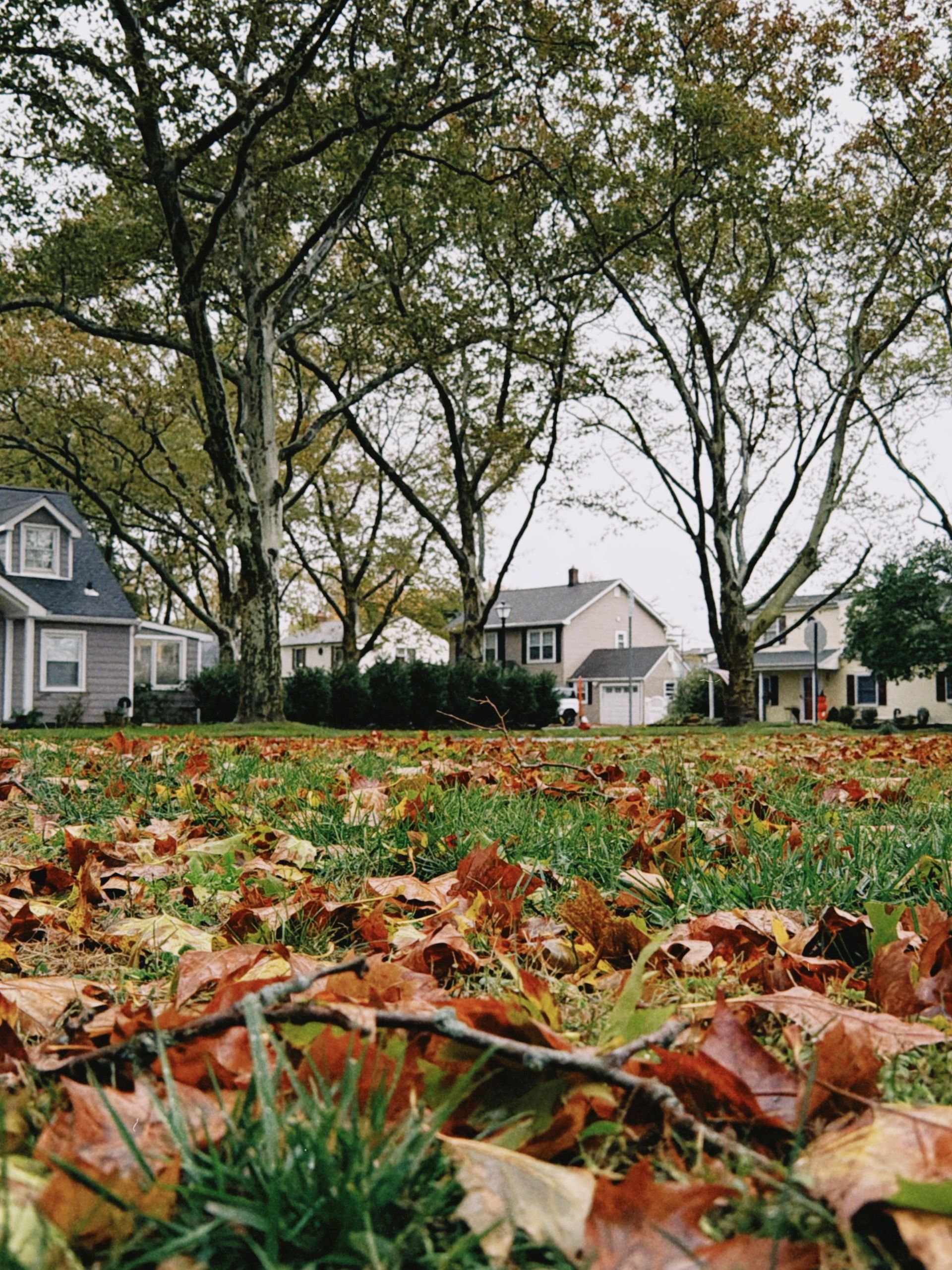
Heavy leaf coverage smothers grass by blocking sunlight, trapping moisture against the soil surface, and restricting airflow—all of which slow photosynthesis and create conditions where fungal growth outpaces root development. Brown Mouse Property Maintenance removes fallen leaves from lawns, landscaping beds, walkways, and driveways before accumulation reaches the point where turf damage becomes visible or where matted layers prevent water from reaching the root zone. Properties with mature hardwoods face the highest seasonal volume, and neighborhoods in Belmont with oak, maple, and sweetgum canopies see leaf drop that continues well into late fall and early winter.
Leaf removal involves raking or blowing material into centralized piles, then collecting and hauling it off-site rather than mulching it in place, which works only when leaf volume stays light and distribution remains even. The process clears not just lawn surfaces but also gutters, drainage channels, and shrub beds where trapped leaves decompose into a compacted mat that blocks water movement and creates uneven settling.
Request a fall cleanup estimate to address current leaf coverage and prevent turf stress heading into winter.
How Leaf Removal Addresses Lawn Damage
Clearing leaves restores direct light exposure to grass blades and allows moisture to evaporate from the soil surface instead of pooling under organic cover. When removal happens before leaves compact into a sodden layer, the lawn retains its established growth pattern and doesn't require reseeding or patching once spring arrives.
After removal, grass color returns to uniform green rather than showing pale or yellowed patches where leaves sat longest, and the lawn surface becomes firm and even instead of spongy or slick. Walkways and driveways also clear of slippery organic residue, which eliminates the safety hazard wet leaves create on concrete and asphalt surfaces.
The service includes disposal of all collected material, so there's no pile left on-site waiting for municipal pickup or decomposition. Brown Mouse Property Maintenance schedules removal during peak drop periods to prevent buildup rather than responding after damage has already started.
Answers About How the Work Is Done
Leaf removal focuses on clearing accumulated fall foliage from residential and commercial properties in Belmont. These questions address the process, timing, and outcomes of the service.
Brown Mouse Property Maintenance offers single-session and recurring fall cleanup services to match your property's leaf volume and tree coverage. Schedule a walkthrough to determine the timing and frequency that prevents lawn damage on your site.
How are leaves removed from landscaped beds versus open lawns?
Beds require hand-raking or careful blowing to avoid displacing mulch or damaging plant roots, while open lawns can be cleared with power blowers that consolidate material into collection zones without disturbing turf.
What happens if leaves are left on the lawn through winter?
Extended coverage blocks light and traps moisture, which weakens grass and encourages moss, fungal patches, and thinning areas that require overseeding and soil amendment to restore in spring.
When should leaf removal happen during the fall season?
Removal works best after the majority of leaves have dropped but before rain compacts them into a matted layer, which typically falls in late October through early December depending on tree species and weather patterns in Belmont.
What tools are used to collect and haul leaves?
Removal involves commercial blowers for consolidating material, tarps or collection bags for transport, and trucks or trailers for off-site disposal at approved yard waste facilities.
How does the lawn look immediately after leaves are cleared?
The surface appears even and green where grass was healthy before coverage, with no organic residue or slick spots, and landscaped beds show defined edges and visible mulch or soil.