Smooth Uneven Surfaces Without Major Excavation
Light Duty Grading in Mt. Holly for correcting rough ground and preparing areas for seeding
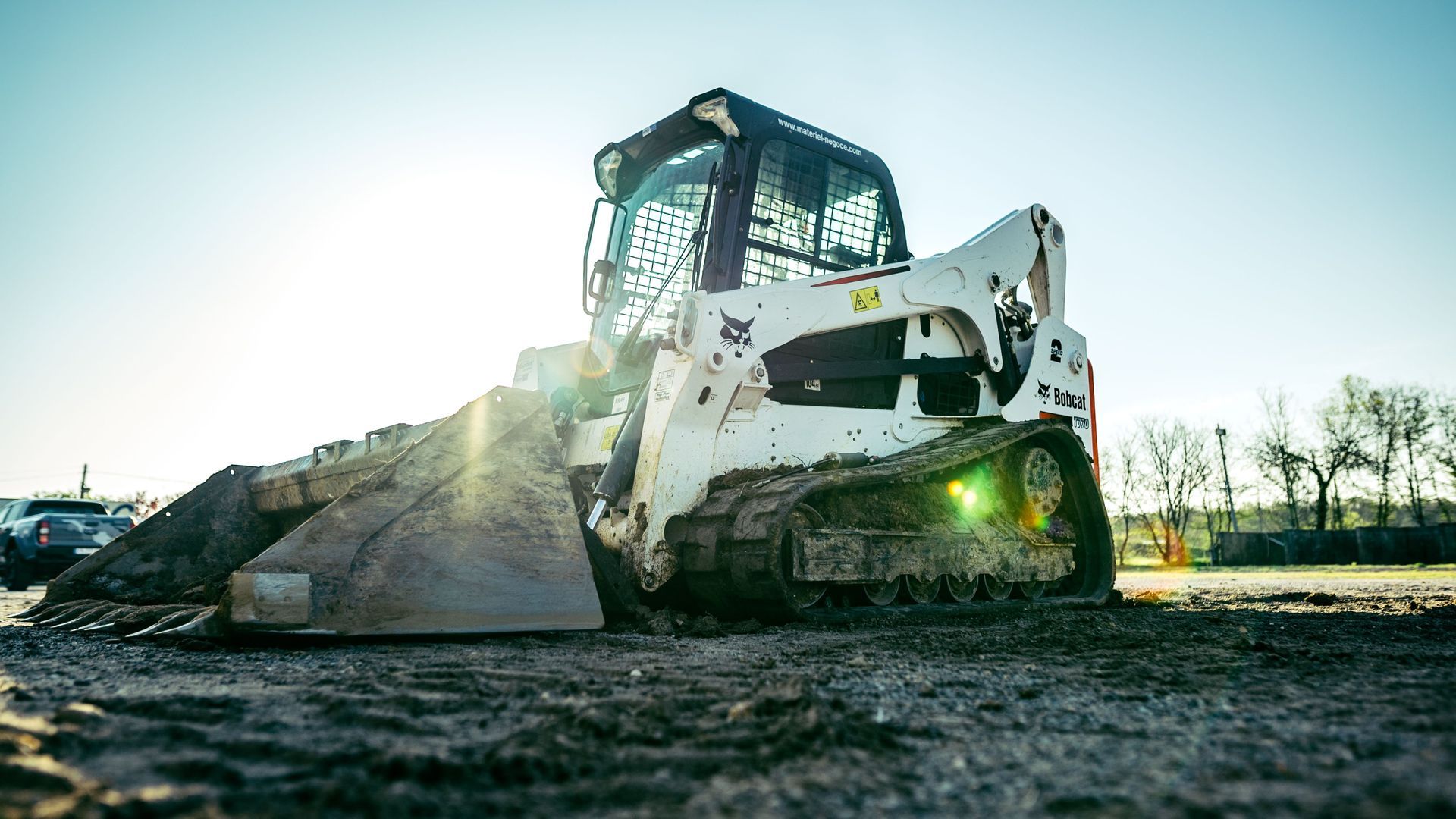
Minor surface irregularities, shallow ruts, and uneven terrain often interfere with mowing, planting, and general property use without requiring the scope or cost of full site grading. Light duty grading addresses these smaller reshaping needs using compact tractor equipment suited for residential and light commercial properties. Brown Mouse Property Maintenance provides this service in Mt. Holly, Clover, Lake Wylie, and surrounding areas where conditions allow surface correction without engineered plans, heavy machinery, or permits typically associated with major earthwork.
The process smooths rough ground, fills shallow depressions, and removes minor high spots to create a more usable surface for seeding, mowing, or other intended activities. Equipment capabilities limit the scope to reshaping existing material rather than moving large volumes, cutting deep grades, or altering drainage patterns that require professional design.
Send photos or describe the area needing attention to determine whether light duty grading fits your site.
What Light Duty Grading Accomplishes
Light duty grading redistributes surface soil to eliminate bumps, fill low spots, and create a more consistent grade across the work area. The equipment blade levels material by cutting high points and pushing soil into depressions, then smoothing the result with dragging or blading passes. The final surface depends on soil type, moisture content, and how much correction the existing terrain requires.
After grading is complete, you will notice the area has a more uniform appearance with reduced tripping hazards, easier mowing paths, and improved water flow across the surface. Properties in Mt. Holly with clay-heavy soil may show some settling after rainfall, which is typical as the redistributed material compacts naturally over time.
Light duty grading does not replace engineered site work for drainage correction, retaining walls, or projects requiring compaction testing and permits. It also does not substitute for tilling when soil preparation for planting is the goal. The service works best for cleaning up construction disturbance, improving yard surfaces after utility work, or preparing rough ground before seeding establishes vegetation that will further stabilize the area.
What to Know Before Scheduling Grading Work
Property owners considering surface correction often need clarity on what light duty grading can reasonably accomplish and how it differs from other site preparation services.
Brown Mouse Property Maintenance evaluates site conditions to confirm whether light duty grading matches your property needs. Call (704) 564-3401 to discuss the area requiring work and what you hope to accomplish.
What defines light duty versus full site grading?
Light duty grading handles minor reshaping with compact equipment on sites where the existing grade is close to acceptable and only surface correction is needed, while full grading moves larger volumes and often requires engineering input and drainage design.
Can grading fix standing water problems?
Minor surface adjustments may redirect water away from problem spots, but persistent standing water typically indicates deeper drainage issues that require swales, French drains, or other solutions beyond surface grading.
How smooth will the finished surface be?
The result depends on soil composition and equipment limitations, with final smoothness suitable for seeding and general use but not matching the precision of finish grading for hardscapes or structures.
Should grading happen before or after other property work?
Grading usually occurs after clearing and rough shaping but before tilling and seeding, so the sequence depends on your site's current condition and the next steps planned.
Are there site conditions that prevent light duty grading?
Steep slopes, saturated ground, large rocks, heavy root systems, and areas requiring compaction testing or engineered fills all fall outside the scope of light duty work and need different approaches.