Lawns Maintained Without the Weekly Burden
Residential Lawn Mowing in Mt. Holly for homeowners who need dependable grass cutting within the local service territory
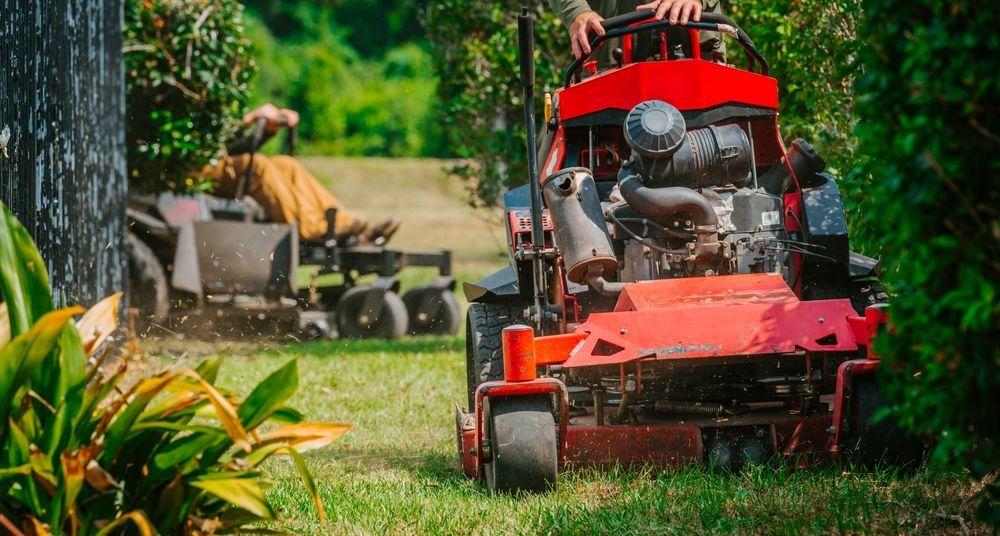
Residential lawns grow faster than homeowners expect during North Carolina's humid spring and summer months, and delaying cuts by even a week can leave grass tall enough that clippings clump and smother the turf underneath. Brown Mouse Property Maintenance provides residential lawn mowing in Mt. Holly, Cramerton, McAdenville, and surrounding areas for properties where the lawn stays within typical suburban lot dimensions and doesn't extend into acreage requiring tractor-based equipment. The service keeps grass at a maintained height that supports healthy growth and prevents the property from looking neglected, without requiring you to dedicate weekend hours to mowing, trimming, and cleanup.
Lawn mowing handles the grass itself—cutting, trimming along edges where the mower can't reach, and dispersing clippings evenly so they decompose rather than forming mats that block sunlight. The focus is routine cutting that maintains appearance and turf health, distinct from the acreage-scale work finish mowing or bush hogging addresses.
Ask about mowing availability for your address to confirm service coverage and discuss the condition of your current lawn.
What You Notice Once Mowing Is Finished
Residential mowing produces a consistent grass height across the entire lawn, with trimmed edges along sidewalks, driveways, and foundation beds where mower decks don't fit. Clippings scatter thinly enough that they settle into the turf and break down quickly, returning nitrogen to the soil instead of forming clumps that kill grass underneath or require raking. The lawn looks intentional rather than haphazard, which makes the entire property appear cared for even if other landscaping tasks remain unfinished.
Mowing also removes the seed heads that develop when grass grows too tall, which reduces the density of new shoots that sprout from dispersed seed and keeps the turf from thickening unevenly. You'll notice the difference particularly during wet stretches in Mt. Holly when rainfall accelerates growth and unmowed lawns turn patchy as some grass species outcompete others for sunlight and soil nutrients.
Lawn mowing doesn't address soil compaction, weed control, fertilization, or irrigation issues that affect turf health beyond cutting height. Those concerns require separate treatment and fall outside the scope of routine grass cutting, which focuses on maintaining the existing lawn rather than rehabilitating damaged or poorly established turf.
What Property Owners Usually Ask
Mowing questions often focus on service boundaries, frequency, and how the work differs from larger-scale land management.
Brown Mouse Property Maintenance mows residential lawns within the local service territory, keeping grass maintained without the recurring effort homeowners face during the growing season. Call (704) 564-3401 to confirm availability for your address and discuss the current condition of your lawn so we can determine whether residential mowing fits your property or whether finish mowing or bush hogging better addresses the scale and vegetation you're managing.
What's included in residential lawn mowing?
Mowing covers grass cutting across the maintained lawn area, trimming along edges and obstacles, and clipping dispersal so the lawn doesn't look littered with cut grass. It does not include bed weeding, mulching, shrub trimming, or debris removal unrelated to mowing.
How does residential lawn mowing differ from finish mowing or bush hogging?
Residential mowing uses equipment sized for typical suburban lots with landscaping features that require maneuvering, while finish mowing handles larger open grassy areas with tractor-based decks. Bush hogging clears overgrown fields and tall vegetation that exceeds lawn mower capacity, producing a rough-cut result instead of a maintained lawn appearance.
Why does mowing frequency vary throughout the season?
Grass growth rates respond to temperature, rainfall, and daylight hours, which means lawns in Mt. Holly grow fastest during spring when all three factors align and slow during summer heat stress or fall dormancy when growth naturally declines.
What happens if I wait too long between mowing services?
Cutting more than one-third of the grass blade height at once stresses the turf, causes clumping that smothers underlying grass, and leaves behind ragged brown tips where the mower tears rather than cleanly cuts the taller blades. Delaying cuts also allows seed heads to mature and disperse, which increases the volume of new shoots that sprout unevenly across the lawn.
When should I start scheduling lawn mowing in the spring?
Mowing becomes necessary once grass reaches three to four inches in height, which typically occurs in early April across Mt. Holly as soil temperatures rise and dormant turf resumes active growth.