Sites That Stay Functional and Presentable
Commercial Land Management in Mt. Holly for businesses, undeveloped parcels, and properties requiring recurring vegetation control
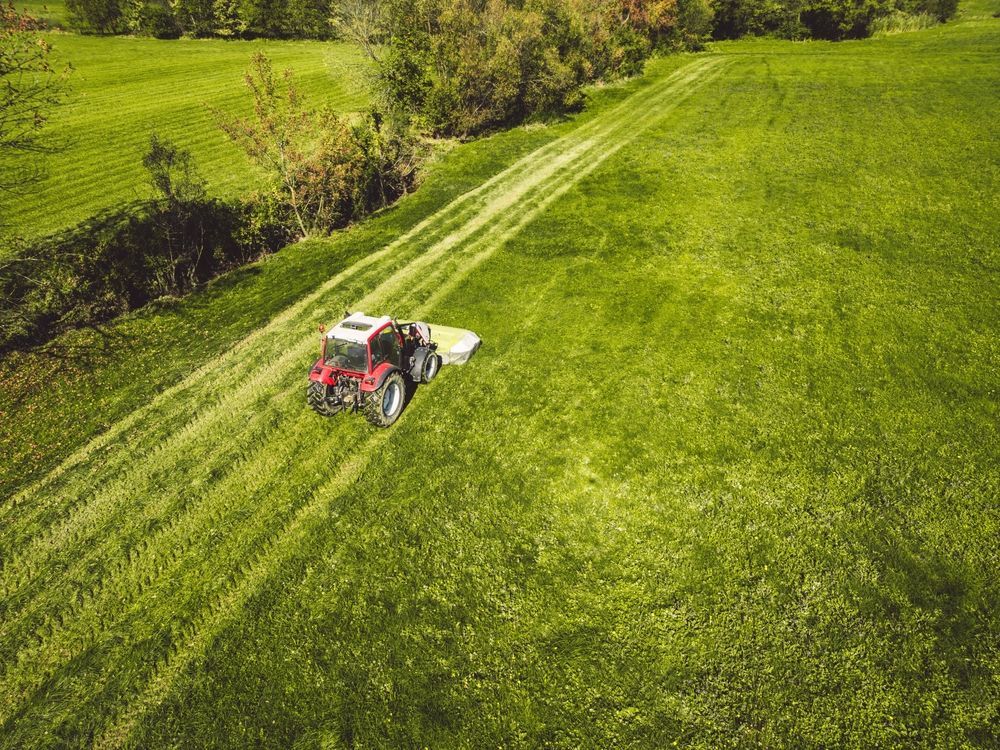
Commercial properties often include acreage that sits beyond parking lots, loading zones, or building perimeters—ground that accumulates vegetation faster than staff can address with standard maintenance equipment. Brown Mouse Property Maintenance provides commercial land management in Mt. Holly, Clover, King's Mountain, or a surrounding area for these areas, handling bush hogging to clear tall growth, tractor work to grade access roads or level staging areas, and seeding to stabilize soil on slopes or recently cleared tracts. The service keeps outdoor space accessible for deliveries, equipment storage, and regulatory compliance inspections without dedicating internal labor to tractor operation or vegetation removal.
Site-specific plans address the vegetation type, ground conditions, and operational requirements unique to each property. Undeveloped parcels held for future construction benefit from periodic bush hogging that prevents saplings from taking root and complicates later clearing, while active commercial sites may need grading to maintain drainage along access lanes or soil preparation in areas designated for stormwater management or landscaping installation.
Request a site-specific quote that accounts for acreage, current vegetation density, and the frequency of maintenance your property requires.
How Commercial Land Management Addresses Site Needs
The process begins with an assessment of which areas need immediate clearing, which zones require grading to correct drainage or accessibility issues, and where seeding or soil stabilization prevents erosion that migrates sediment into adjacent stormwater infrastructure. Bush hogging removes vegetation that blocks vehicle access or obscures property lines during surveys, while tractor grading reshapes surfaces to eliminate standing water or smooth ruts left by heavy equipment during previous site work.
After clearing and grading, properties show defined boundaries where overgrowth previously obscured fencing or utility easements, and vehicle routes become passable without risk of high-centering on hidden debris or damaging undercarriage components. Seeded areas establish ground cover that reduces dust generation during dry periods and slows the return of woody vegetation, though these zones won't match the appearance of irrigated turf and may require spot re-seeding in areas where heavy runoff washes seed away before germination completes.
Commercial land management does not include detailed landscape installation, hardscape construction, or tree removal requiring bucket trucks and rigging. The focus remains on vegetation control, grading for drainage and access, and soil stabilization that keeps undeveloped or peripheral areas manageable between scheduled maintenance visits.
Questions Property Managers and Business Owners Ask
Commercial land management adapts to the operational demands and site conditions that vary across retail, industrial, and undeveloped properties in Mt. Holly and surrounding areas.
Brown Mouse Property Maintenance evaluates commercial sites to determine which services—bush hogging, grading, soil preparation, or seeding—address your property's current condition and operational needs. Schedule a site visit to walk the acreage and develop a maintenance plan that keeps outdoor areas accessible and presentable without disrupting daily business operations.
What qualifies as commercial land management versus commercial lawn care?
Land management addresses acreage with tall grass, brush, uneven terrain, or minimal prior maintenance, using tractor-mounted equipment designed for heavy vegetation and rough ground. Lawn care focuses on established turf in high-visibility areas near buildings, using mowers that produce a finished appearance unsuitable for thick growth or ungraded ground.
How does grading improve site usability for commercial properties?
Grading eliminates ruts and depressions that trap water, damage delivery vehicles, or create mud that tracks into buildings, and it reshapes access lanes so trucks can reach loading docks or storage areas without leaving paved surfaces. In Mt. Holly's clay-heavy soils, grading also prevents hardpan formation that sheds rainwater instead of absorbing it, which increases runoff velocity and accelerates erosion along property edges.
Why would a commercial site need bush hogging if the property isn't abandoned?
Many active commercial properties include rear acreage, utility easements, stormwater detention areas, or buffer zones required by zoning ordinances that accumulate vegetation faster than staff can control, and periodic bush hogging keeps these areas compliant with local codes that prohibit overgrowth exceeding certain heights near property lines or public rights-of-way.
What does soil preparation accomplish before seeding commercial sites?
Preparation breaks up compacted soil common to construction sites or areas with heavy vehicle traffic, removes debris that interferes with seed germination, and creates surface texture that holds seed in place during rain events instead of allowing it to wash into storm drains or neighboring properties.
When should commercial properties schedule recurring land management?
Scheduling depends on growth rates driven by rainfall, soil fertility, and proximity to seed sources like unmanaged woodland, but most commercial sites benefit from bush hogging and grading two to three times per growing season to prevent vegetation from exceeding manageable heights or blocking drainage infrastructure.