
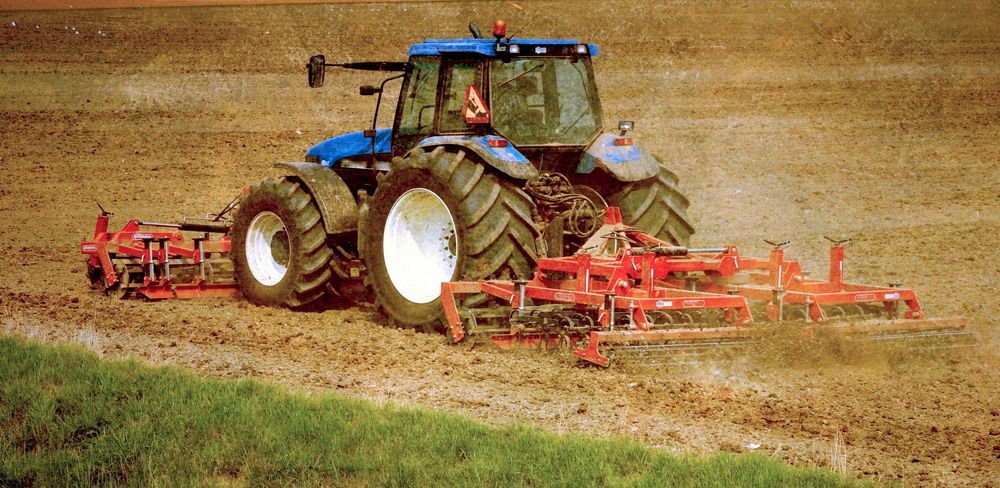
Prepare Ground That Is Ready to Plant
Tilling in Mt. Holly for soil preparation before seeding, gardens, or lawn establishment
Soil that has been disturbed, cleared, or loosened still requires surface refinement before seed or plants can establish successfully. The tilling process uses rotating tines mounted on tractor equipment to break apart clods, mix organic material into the upper layer, and create a more uniform seedbed. Brown Mouse Property Maintenance operates tilling equipment in Mt. Holly, Charlotte, Monroe, and surrounding areas for property owners who need existing soil worked into a condition that supports planting, lawn establishment, or garden bed creation.
Tilling breaks and mixes the upper six to eight inches of soil, blending surface material and reducing the size of hard chunks left from previous grading, plowing, or natural compaction. The rotating action also incorporates amendments like lime or organic matter if they have been spread beforehand. Your property's clay content and moisture level will affect how fine the tilth becomes and whether additional passes improve or degrade the texture.
Schedule a consultation to review the area and discuss your planting timeline.
Why Proper Tilling Requires Timing and Conditions
Tilling wet clay creates compacted clumps rather than loose seedbed, and tilling bone-dry ground produces dust and hard clods that resist further breakdown. The equipment performs best when soil moisture allows the tines to fracture material cleanly without smearing or powdering, which typically happens a day or two after moderate rainfall in the Mt. Holly area where red clay dominates many residential properties.
Once tilling is complete, the soil surface appears visibly worked with a textured, uneven finish that allows seed contact and water infiltration. You will notice the ground feels softer underfoot and hand tools penetrate more easily compared to untilled areas. The prepared condition remains workable for seeding or planting for a limited period before rainfall and settling begin to firm the surface again.
Tilling does not address grading issues, standing water, or major surface irregularities that require reshaping. Properties needing those corrections benefit from light duty grading or other site work before tilling refines the planting surface. Combining services in the correct sequence ensures ground preparation matches the intended use without repeating steps or damaging earlier work.
Answers to Common Ground Preparation Questions
Homeowners and property managers preparing land for planting or lawn projects often ask how tilling fits into the overall site preparation sequence.
Brown Mouse Property Maintenance evaluates your site's current state and matches tilling depth and timing to your planting schedule. Contact (704) 564-3401 with details about the area and your intended project.
What is the difference between tilling and chisel plowing?
Chisel plowing breaks deep compaction with vertical shanks while leaving the surface rough, whereas tilling works the upper soil layer into a refined texture suitable for seed application or planting.
How soon after tilling should seeding occur?
Seeding performs best within days of tilling while the soil remains loose and receptive, because rainfall and settling gradually firm the surface and reduce seed-to-soil contact quality.
Can tilling be done on slopes without causing erosion?
Tilling loosens soil and increases erosion risk on slopes, so sites with significant grade may require erosion control measures like straw blankets or tackifiers applied immediately after seeding to stabilize the surface.
Does tilling remove existing weeds and roots?
The tines cut and bury some surface vegetation, but perennial roots and weed seeds often survive the process and may regrow unless additional control measures are used before or after tilling.
What should I add to the soil before tilling begins?
Lime, compost, or other amendments spread on the surface before tilling get mixed into the upper layer during the process, improving distribution and reducing the need for separate incorporation steps.