
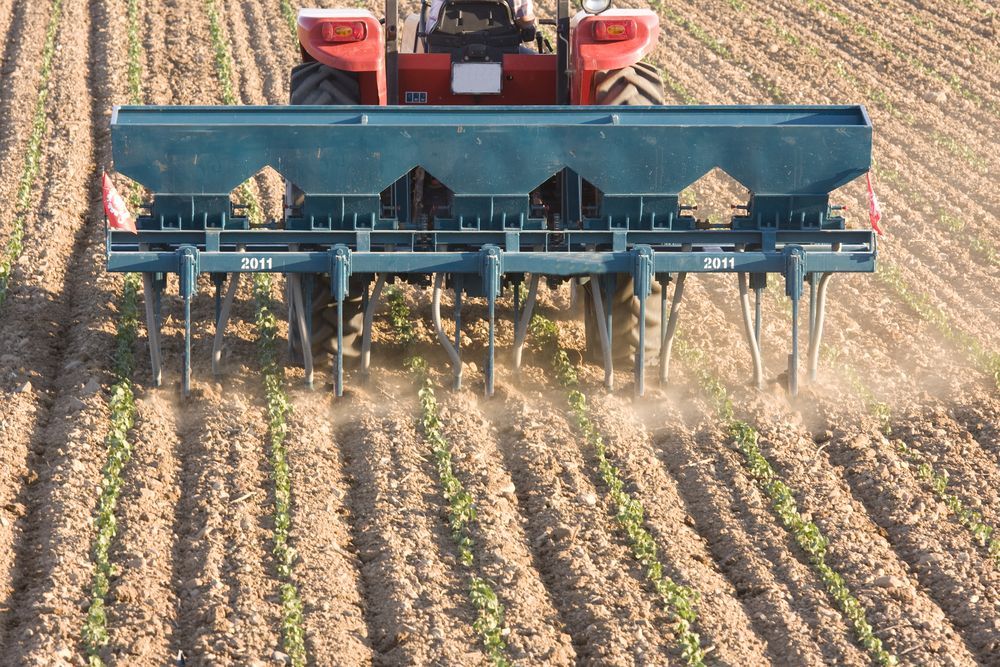
Loosen Compacted Ground Before Your Next Step
Chisel Plowing in Mt. Holly for properties needing soil preparation before seeding or land improvement
Ground that has been compacted by equipment, weather, or years of inactivity often resists water penetration and limits what can take root. Brown Mouse Property Maintenance handles chisel plowing across Mt. Holly, Clover, Rock Hill, and surrounding areas using tractor-mounted equipment designed to work through compacted layers without turning the soil profile upside down. This process opens pathways for air and moisture while maintaining enough structure for follow-up work like tilling or seeding.
Chisel plowing breaks through hardpan and compressed soil zones that prevent deeper root development and water infiltration. The shanks on the implement penetrate below the surface, fracturing compacted material while leaving most organic matter near the top where it continues to break down. Depending on your property's current condition and clay content, the depth and spacing may vary to match what the ground can handle and what your intended use requires.
Request a site evaluation to discuss your soil condition and the work planned after plowing.
What Happens When Compacted Soil Is Opened
Chisel plowing disturbs compacted zones through vertical penetration rather than full inversion, which means the soil structure loosens without burying surface material deep where it cannot contribute to new growth. The shanks create fracture lines that allow rainfall to move downward instead of running across the surface, and root systems gain access to deeper soil layers once the physical barrier is removed.
After the equipment passes, you will notice the ground surface shows shallow disturbance with ridges or furrows where the shanks traveled, and the soil feels less resistant when tested with a probe or hand tool. The loosened condition supports follow-up operations such as discing, tilling, or seeding by reducing the force required to work the upper layer and improving seed-to-soil contact when planting begins.
The depth reached during plowing depends on soil moisture, clay density, and equipment configuration. Sites with heavy red clay common in the Mt. Holly area may require multiple passes or timing adjustments to avoid smearing the soil when moisture levels are too high. Properties intended for pasture improvement, future planting beds, or lawn establishment typically benefit from this initial loosening step before additional preparation.
Questions Property Owners Ask Before Plowing
Property owners preparing land for the first time or restarting neglected areas often want to know what chisel plowing will accomplish and how it fits with other ground preparation services.
Brown Mouse Property Maintenance adjusts chisel plowing depth and timing to match your soil type and planned use. Describe your property's current condition and goals at (704) 564-3401 to determine whether plowing is the right starting point.
How deep does chisel plowing reach into compacted soil?
Penetration typically ranges from six to twelve inches depending on soil type, moisture content, and equipment setup, with adjustments made based on what the ground conditions allow without creating clods or smearing.
What should the property look like before scheduling this service?
The area should be cleared of large debris, stumps, and heavy vegetation that could damage equipment or prevent consistent depth, though some surface growth and small roots are manageable during the plowing pass.
Does chisel plowing eliminate the need for tilling?
Plowing opens compacted layers but does not blend or refine the soil surface the way tilling does, so most sites benefit from tilling afterward when preparing for seeding or planting projects that require fine seedbed conditions.
When is the best time to schedule plowing in Mt. Holly?
Soil moisture influences results significantly, so scheduling during periods when the ground is neither saturated nor baked hard produces better fracturing and less equipment strain.
Can plowing be combined with seeding on the same visit?
Plowing alone creates too rough a surface for seed application, so tilling or additional smoothing work typically follows before seeding and fertilization are applied to establish vegetation.