Fields and Acreage Cut Back to Usable Ground
Bush Hogging in Mt. Holly for tall grass, overgrown lots, and vegetation beyond the reach of standard mowers
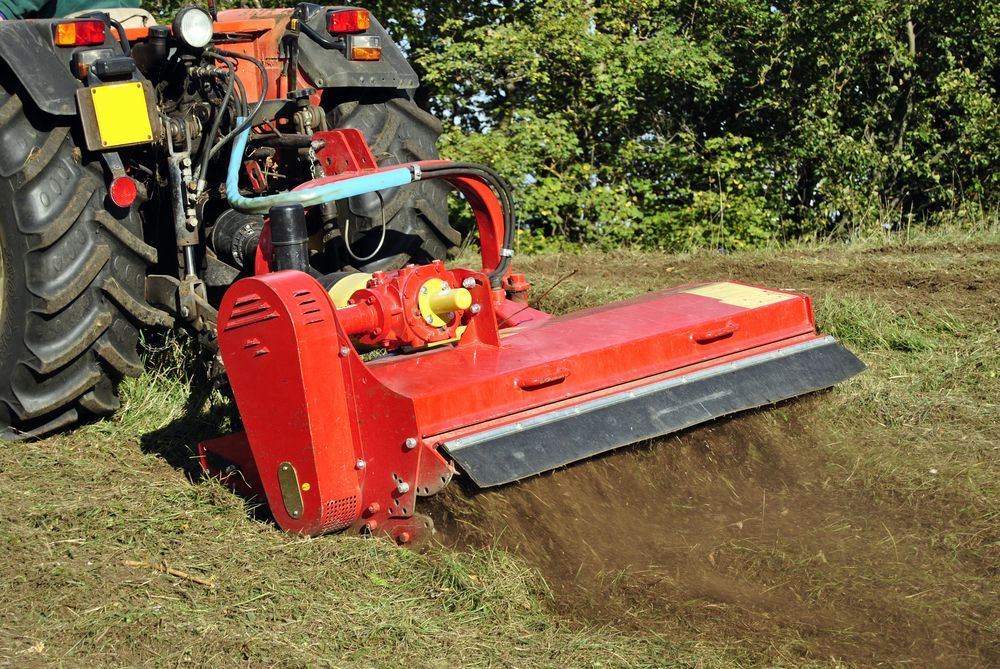
Tall grass, woody stems, and dense vegetation accumulate on vacant lots, field edges, and properties left unattended through a growing season. Brown Mouse Property Maintenance operates bush hog equipment in Mt. Holly, Belmont, Gastonia, and surrounding areas to cut through this growth, reducing it to stubble that makes the ground accessible again. The rotary cutter mounted behind a tractor handles vegetation thickness that would stall or damage a finish mower, including saplings up to two inches in diameter, blackberry canes, and grasses that have gone to seed and developed fibrous stalks resistant to standard mower blades.
Bush hogging reclaims usable ground by clearing sight lines, opening vehicle access, and removing the seasonal fuel load that poses a fire risk during dry summer stretches in the North Carolina Piedmont. The service also interrupts the progression from grassy field to woody thicket by cutting saplings before root systems expand and cutting seed heads before they disperse, which slows the rate of regrowth and reduces the density of vegetation that returns the following season.
Describe the acreage and current vegetation height to receive an estimate based on the density and terrain conditions your property presents.
What Proper Bush Hogging Requires
Bush hogging involves multiple passes across a tract to ensure the rotary cutter engages all standing vegetation, with overlapping lanes that prevent uncut strips between wheel tracks. The tractor moves at a speed determined by vegetation density—slower through thick stands where the cutter labors to shred material, faster across sparse growth that doesn't bog down the rotary mechanism. Operators watch for hidden obstacles like rocks, metal debris, and stumps that damage blades or bend the cutter deck, which requires walking the property before starting if the ground hasn't been maintained in several years.
After bush hogging, the property shows cut stubble rather than a manicured lawn surface. Grass stems lie flat or stand at inconsistent heights depending on how the rotary blades struck them, and woody material appears shredded rather than cleanly severed. The ground becomes walkable and drivable, sight lines extend across the entire tract, and the vegetation load drops to a level where regrowth starts from a lower baseline instead of picking up where chest-high growth left off.
Bush hogging does not produce the clean appearance of finish mowing, and it's not appropriate for maintained residential lawns where appearance matters more than clearing capacity. The service targets functional vegetation control on acreage where the priority is accessibility and recurring growth management, not decorative turf presentation.
Common Questions About This Service
Bush hogging decisions depend on vegetation type, acreage size, and how often you need the ground cleared to stay ahead of regrowth cycles.
Brown Mouse Property Maintenance assesses properties throughout Mt. Holly and surrounding areas to determine whether bush hogging, finish mowing, or a combination of services fits your current vegetation and long-term maintenance goals. Contact us at (704) 564-3401 to describe the tract size and growth conditions so we can provide a clearing estimate suited to what the ground requires.
What's the visual difference between bush hogging and finish mowing?
Bush hogging leaves rough-cut stubble with shredded stems and uneven heights because the rotary cutter prioritizes cutting power over appearance, while finish mowing produces a uniform grass height with cleanly severed blades suitable for residential or commercial lawns that receive regular maintenance.
How tall does vegetation need to be before bush hogging is necessary?
Once grass exceeds 12 to 18 inches or woody stems appear among the grasses, standard mowers struggle to cut efficiently without clogging discharge chutes or stalling engines, which makes bush hogging the appropriate tool for clearing the tract back to a manageable height.
Why does bush hogging cost differ between properties?
Cost reflects acreage, vegetation density, terrain slope, and obstacle density such as rocks or downed branches that slow progress and increase blade wear. Properties in Mt. Holly with clay soils and moisture-retaining lowlands often grow thicker vegetation than well-drained upland tracts, which increases the time required to complete the clearing.
When should I schedule bush hogging to control regrowth effectively?
Cutting before grasses set seed—typically late spring or early summer in the Piedmont—reduces the volume of seed that germinates the following season, and a second pass in late summer or early fall prevents woody plants from hardening into stems that resist the rotary cutter and require multiple passes to shred.
What happens to the cut vegetation after bush hogging?
The rotary cutter shreds material and disperses it across the ground where it decomposes, returning organic matter to the soil. This differs from bagging or hauling clippings, which isn't practical for acreage-scale vegetation removal and would significantly increase service cost.